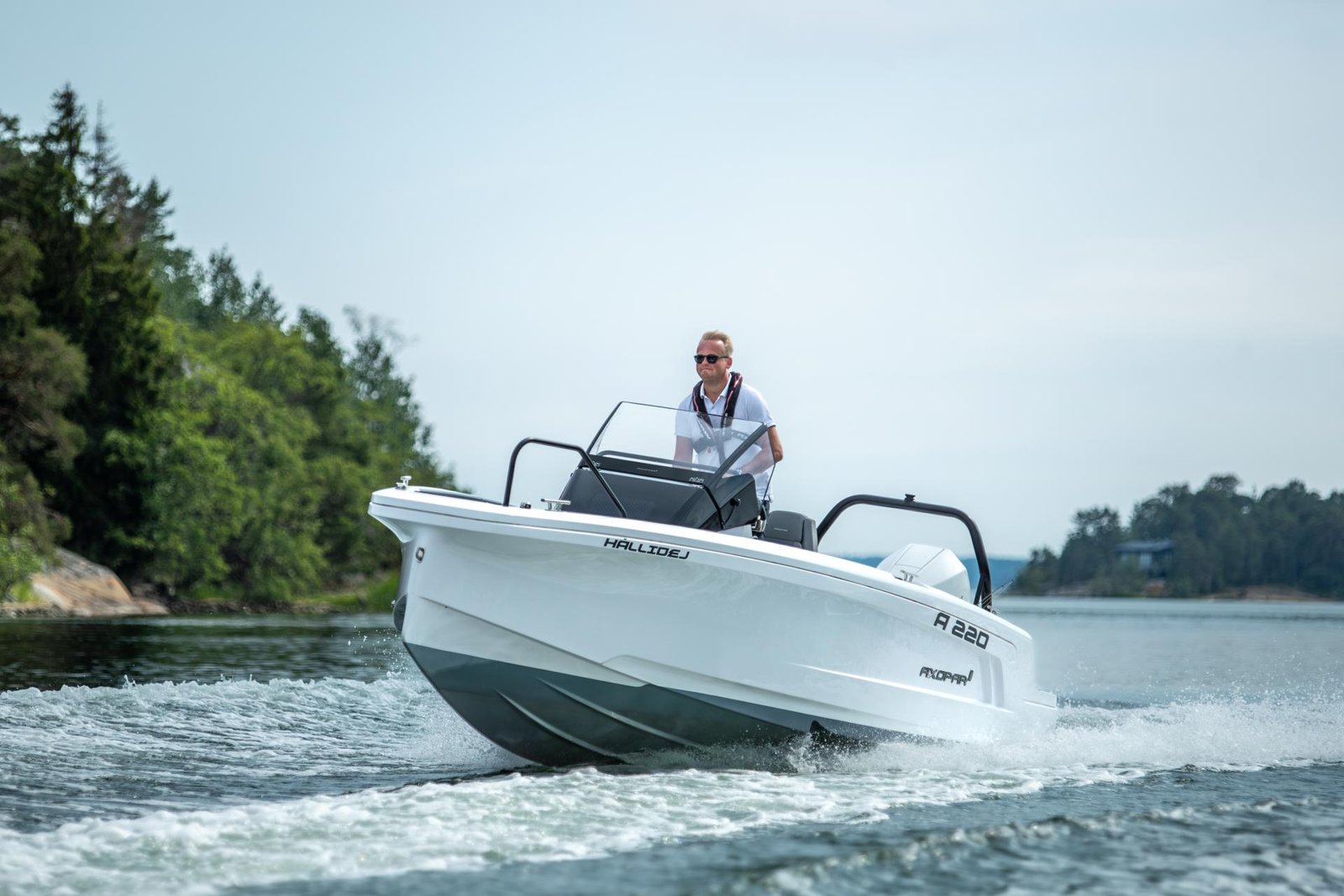
Anyone who navigates the Costa Brava, especially the waters of L’Alt Empordà and the Gulf of Roses, knows that the sea here has its own unique character. And that character has a name: the Tramontana. This fierce northern wind, famous for its strength, persistence, and the sheer speed with which it can alter sea conditions, is an old acquaintance for local mariners, but it can become a real challenge if it catches you off guard.
At Náutica Río, from our strategic base in the historic waters of Empúries (L’Escala), we live alongside this phenomenon every day. Because of this, we know that the Tramontana shouldn’t keep you locked in port; rather, it demands respect, local knowledge, and the right vessel.
Below, we share a practical guide on how to navigate safely when the northern wind decides to make an appearance.
1. The Golden Rule: Meticulous Weather Planning
The Tramontana rarely arrives without leaving a clear trace on weather charts. Today, technology is our greatest ally. Before casting off your lines in the Empordà, it is mandatory to check reliable marine apps (such as Windy, PredictWind, or the official warnings from the Servei Meteorològic de Catalunya).
Expert Tip: Pay close attention to the gusts. A sustained wind of 15 knots might seem manageable, but if the gusts are hitting 25 or 30 knots, open sea conditions can change drastically in a matter of minutes.
2. Understand the Sea Conditions in the Gulf of Roses
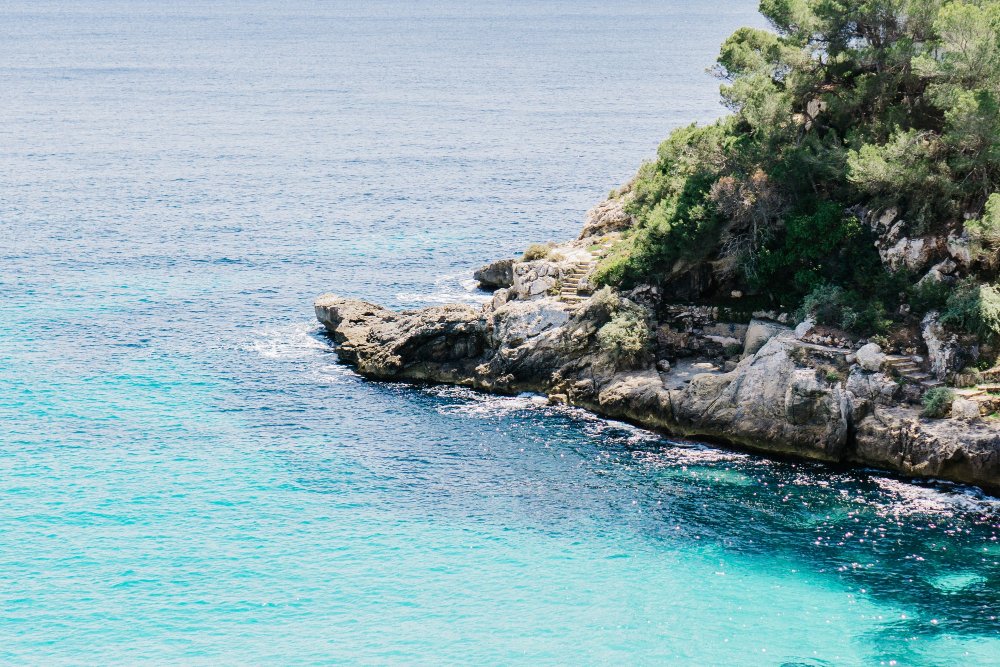
The unique geography of the Costa Brava directly shapes how the Tramontana behaves. When leaving the Empúries area and heading into the Gulf of Roses, the wind blows from the land out to sea (offshore). This creates a false sense of security close to the shoreline, where the water might look completely flat and calm.
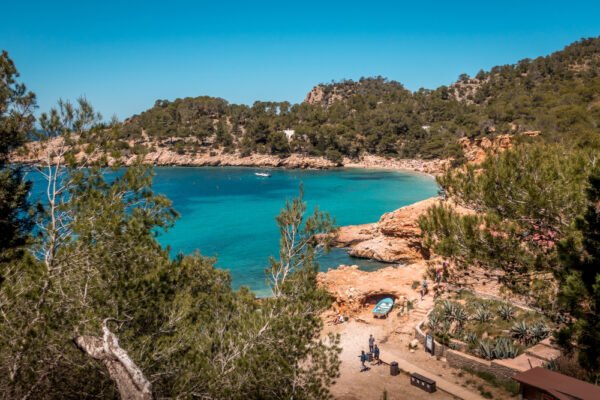
However, as you venture further away from the protection of the coast, the waves grow exponentially. They become short, steep, and tightly spaced—the most uncomfortable and hazardous type of chop for a boat. If the Tramontana begins to pick up, stay close to the coastline and seek shelter behind the cliffs of the Montgrí massif or the protected coves south of the capes.
3. Prepare Your Vessel Before Head Out
Navigating in heavy winds requires everything on board to be completely secure and shipshape:
- Clear the deck: Secure any loose objects (fenders, cushions, bags, fishing rods). In strong gusts, these items can easily blow away or obstruct emergency maneuvers.
- Check your anchoring gear: If you plan to drop anchor in semi-protected coves, ensure you have plenty of chain. With the Tramontana blowing, the risk of an anchor dragging (garreo) is incredibly high.
- Verify your engine: Having a reliable and powerful engine is vital to maintain steerage and govern the boat against a headwind.
The Role of the Boat: Design and Power Built for the North
Not all boats handle the rough stuff equally. In our waters, having a hull with an advanced hydrodynamic design and a trustworthy engine makes the difference between a high-stress ordeal and a safe, comfortable cruise back to port.
At Náutica Río, we specialize in brands that feel as if they were custom-engineered for this exact coastline:
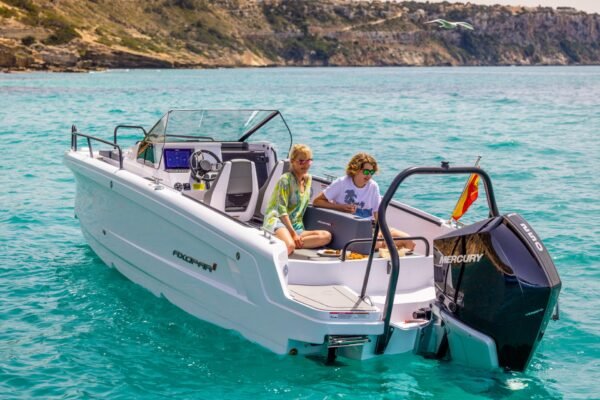
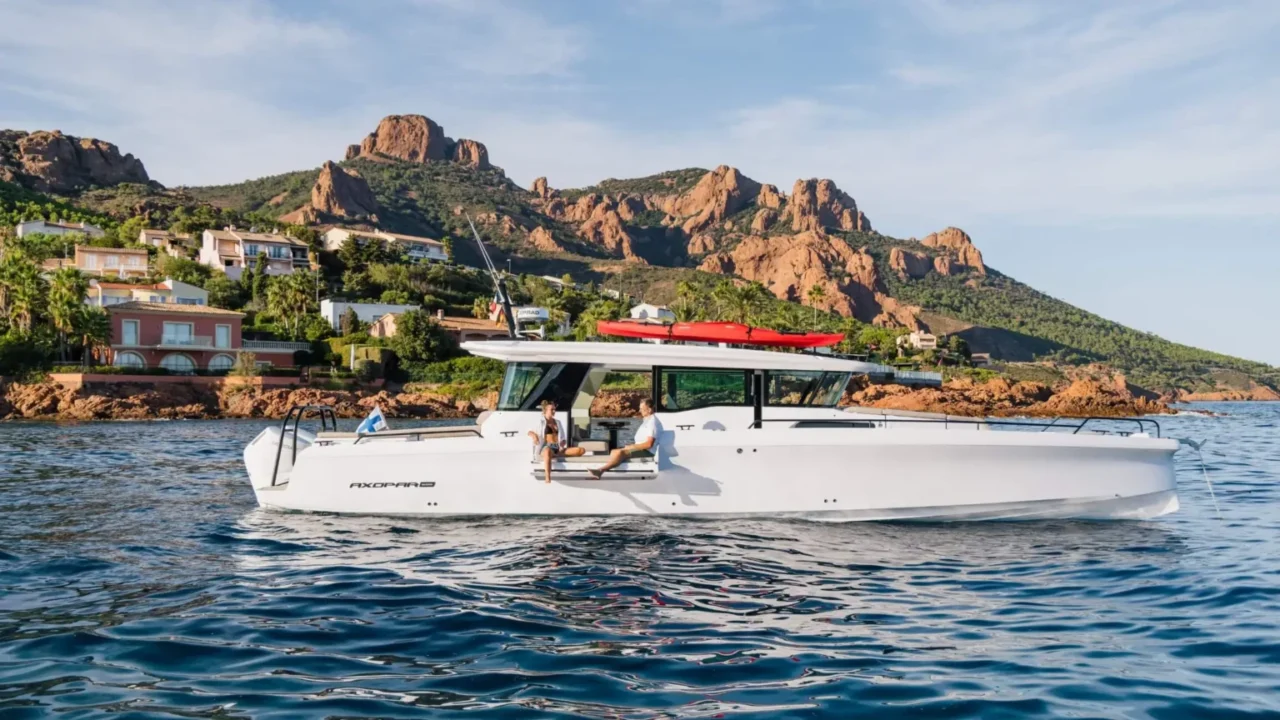
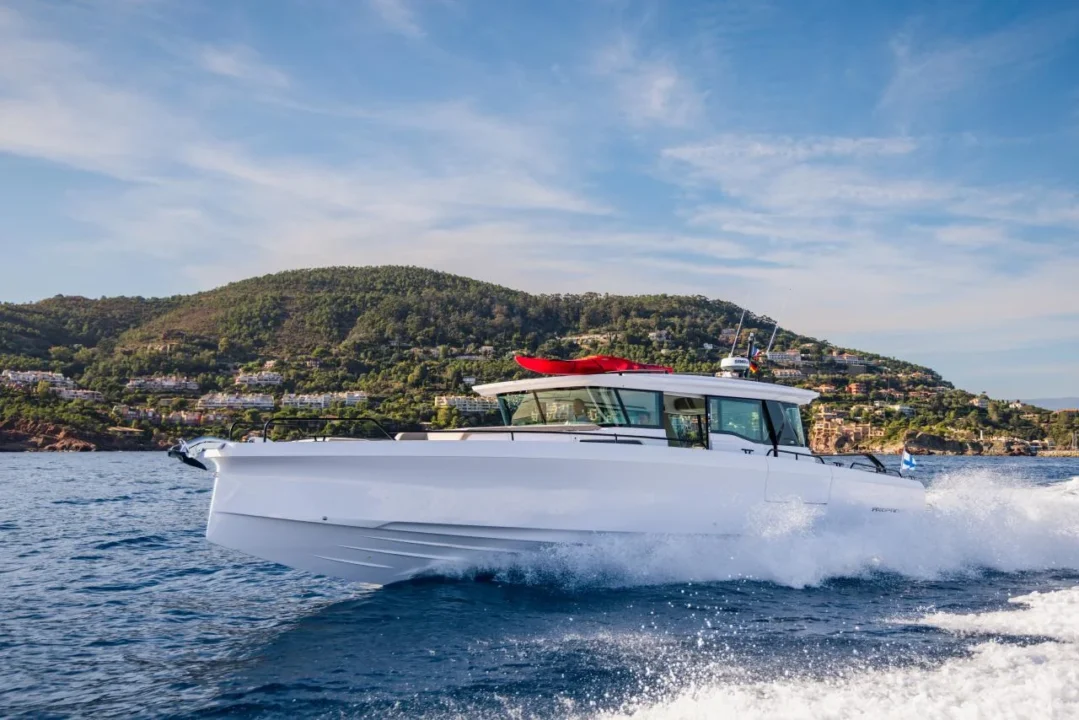
- Axopar: Their famous twin-stepped, sharp entry hulls slice through the short Tramontana chop masterfully. This prevents violent slamming against the water and maintains flawless directional stability.
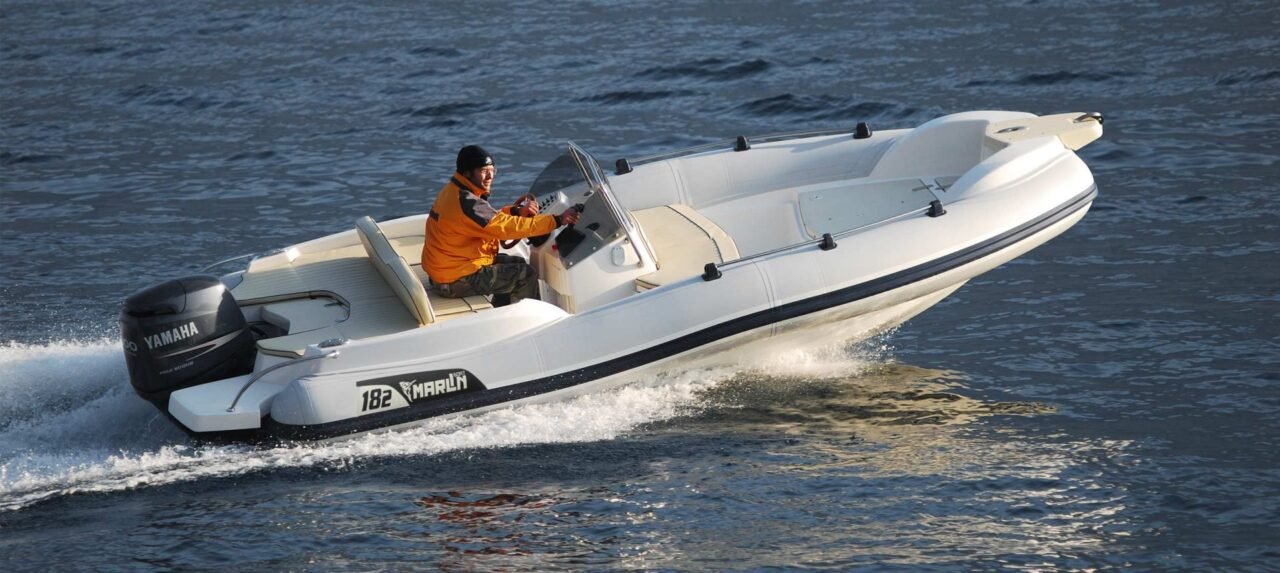
- Marlin RIBs (Rigid Inflatable Boats): Thanks to their high-resistance tubes and low center of gravity, they offer unparalleled buoyancy and safety when the sea gets rough—ideal for keeping the family dry and secure.
- Mercury Engines: A latest-generation Mercury outboard guarantees the immediate power response required to maneuver against heavy winds, especially when entering a tight marina or turning around in a narrow cove.
4. Marina Maneuvers: Calm and Anticipation
For many skippers, the most stressful moment doesn’t happen out at sea, but when returning to the berth. The Tramontana exerts a heavy “sail effect” on a boat’s hull, pushing it sideways very quickly.
When preparing to dock in L’Escala or navigating the channels of Empuriabrava, plan your approach well in advance. Use the engine’s power with short, decisive bursts and, if your boat has one, don’t hesitate to use the bow thruster. Remember: it is always better to abort an approach and start over than to try and force a bad maneuver.
Trust the Experts of the Empordà
Navigating the Costa Brava is a true privilege. Enjoying its breathtaking landscapes, even on days when the north wind clears the sky to a brilliant blue, is an unforgettable experience. The key to success lies in training, prudence, and proper boat maintenance.
If you want to ensure that your boat and engine are fully prepared to withstand the most demanding conditions of the Costa Brava, come visit us at Náutica Río, right next to the ruins of Empúries. Our official Mercury technical service and our team of marine advisors are at your disposal so that your only concern at sea is enjoying the ride. Smooth sailing and fair winds!